
Conte aos seus amigos sobre este item:
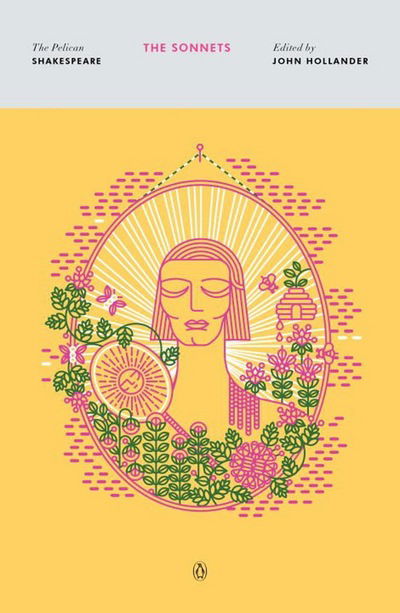
The Sonnets William Shakespeare
O que dizem nossos clientes:


Também disponível como:
- Paperback Book (2012) R$ 76,90
- Paperback Book (2018) R$ 76,90
- Paperback Book (2023) R$ 77,90
- Paperback Book (2015) R$ 80,90
- Paperback Book (2018) R$ 80,90
- Paperback Book (2016) R$ 81,90
- Paperback Book (2016) R$ 89,90
- Paperback Book (2021) R$ 93,90
- Paperback Book (2017) R$ 93,90
- Paperback Book (2016) R$ 97,90
- Paperback Book (2017) R$ 102,90
- Paperback Book (2005) R$ 102,90
- Paperback Book (2018) R$ 102,90
- Paperback Book (2017) R$ 104,90
-
Paperback Book3rd edition(2016) R$ 108,90
- Paperback Book (2017) R$ 127,90
- Paperback Book (2025) R$ 137,90
- Hardcover Book (2005) R$ 178,90
- Paperback Book (2022) R$ 181,90
The Sonnets
William Shakespeare
Shakespeare's sonnets are poems that William Shakespeare wrote on a variety of themes. When discussing or referring to Shakespeare's sonnets, it is almost always a reference to the 154 sonnets that were first published all together in a quarto in 1609; however there are six additional sonnets that Shakespeare wrote and included in the plays Romeo and Juliet, Henry V and Love's Labour's Lost. Shakespeare's sonnets are considered a continuation of the sonnet tradition that swept through the Renaissance, from Petrarch in 14th-century Italy and was finally introduced in 16th-century England by Thomas Wyatt. With few exceptions, Shakespeare's sonnets observe the stylistic form of the English sonnet - the rhyme scheme, the 14 lines, and the meter. But Shakespeare's sonnets introduce such significant departures of content that they seem to be rebelling against well-worn 200-year-old traditions. Instead of expressing worshipful love for an almost goddess-like yet unobtainable female love-object, as Petrarch, Dante, and Philip Sidney had done, Shakespeare introduces a young man. He also introduces the Dark Lady, who is no goddess. Shakespeare's sonnets are considered a continuation of the sonnet tradition that swept through the Renaissance, from Petrarch in 14th-century Italy and was finally introduced in 16th-century England by Thomas Wyatt. With few exceptions, Shakespeare's sonnets observe the stylistic form of the English sonnet - the rhyme scheme, the 14 lines, and the meter. But Shakespeare's sonnets introduce such significant departures of content that they seem to be rebelling against well-worn 200-year-old traditions. Instead of expressing worshipful love for an almost goddess-like yet unobtainable female love-object, as Petrarch, Dante, and Philip Sidney had done, Shakespeare introduces a young maexplores themes such as lust, homoeroticism, misogyny, infidelity, and acrimony in ways that may challenge, but which also open new terrain for the sonnet form.
| Mídia | Livros Paperback Book (Livro de capa flexível e brochura) |
| Lançado | 16 de dezembro de 2019 |
| ISBN13 | 9781676342946 |
| Páginas | 80 |
| Dimensões | 152 × 229 × 4 mm · 117 g |
| Idioma | Inglês |
Mais por William Shakespeare
Mostrar tudo


Mais dessa série

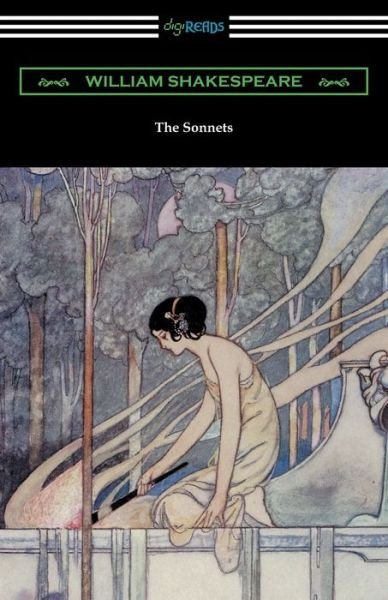





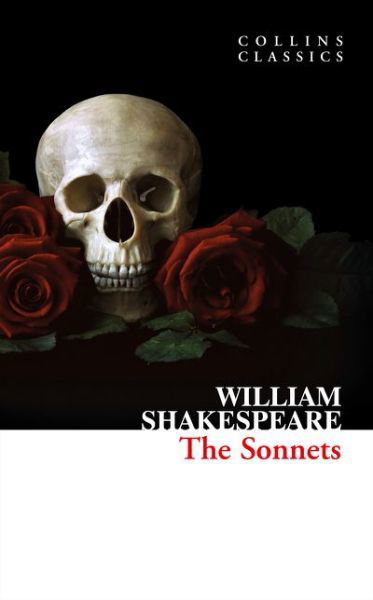
![Cover for William Shakespeare · The Sonnets - Large Print Edition (Paperback Book) [Lrg edition] (2014)](https://imusic.b-cdn.net/images/item/original/597/9781495376597.jpg?william-shakespeare-2014-the-sonnets-large-print-edition-paperback-book&class=scaled&v=1410527243)
![Cover for William Shakespeare · The Sonnets - Macmillan Collector's Library (Hardcover Book) [New edition] (2016)](https://imusic.b-cdn.net/images/item/original/848/9781909621848.jpg?william-shakespeare-2016-the-sonnets-macmillan-collector-s-library-hardcover-book&class=scaled&v=1471813107)
![Cover for William Shakespeare · The Sonnets - The New Cambridge Shakespeare (Paperback Book) [2 Revised edition] (2006)](https://imusic.b-cdn.net/images/item/original/377/9780521678377.jpg?william-shakespeare-2006-the-sonnets-the-new-cambridge-shakespeare-paperback-book&class=scaled&v=1449514560)
![Cover for William Shakespeare · The Sonnets - The New Cambridge Shakespeare (Hardcover Book) [2 Revised edition] (2006)](https://imusic.b-cdn.net/images/item/original/182/9780521861182.jpg?william-shakespeare-2006-the-sonnets-the-new-cambridge-shakespeare-hardcover-book&class=scaled&v=1449514561)

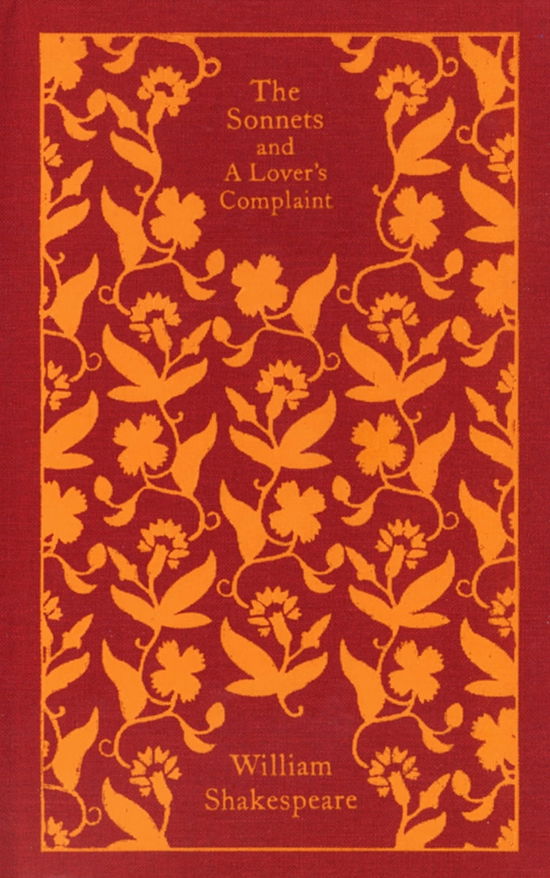
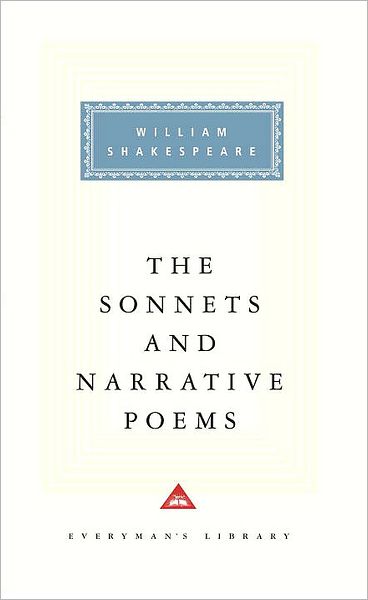
![Cover for William Shakespeare · The Sonnets and Narrative Poems: the Complete Non-dramatic Poetry (Paperback Book) [Revised Ed. edition] (2008)](https://imusic.b-cdn.net/images/item/original/899/9780451530899.jpg?william-shakespeare-2008-the-sonnets-and-narrative-poems-the-complete-non-dramatic-poetry-paperback-book&class=scaled&v=1409712026)






![Cover for William Shakespeare · The Sonnets: Second Revised Edition (Paperback Book) [2nd Revised edition] (1999)](https://imusic.b-cdn.net/images/item/original/271/9780451527271.jpg?william-shakespeare-1999-the-sonnets-second-revised-edition-paperback-book&class=scaled&v=1409653600)

Ver tudo de William Shakespeare ( por exemplo Paperback Book , Hardcover Book , Book , CD e Audiolivro (CD) )